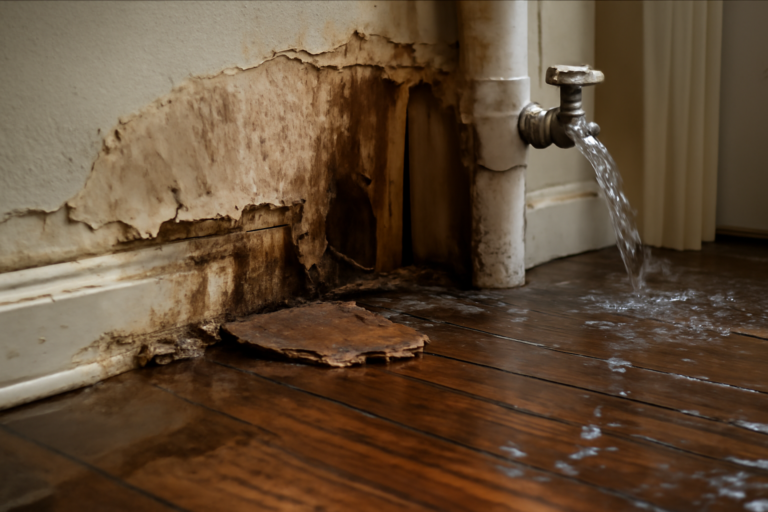
Hydrostatic Pressure Water Removal in Bath, NY
Trusted by 10,000+ Homeowners Across the USA
- 24/7 Emergency Response — We're Always Ready
- IICRC Certified & Licensed Professionals
- Direct Insurance Billing — No Hassle Claims
- Advanced Equipment & Proven Techniques
- 100% Satisfaction Guaranteed

Hidden Dangers of Hydrostatic Pressure Water Removal in Bath, NY
Did you know that in the US, over 14% of homeowners file water damage insurance claims each year? And a significant portion of those claims involve hydrostatic pressure water removal. If you're dealing with this issue in your home, it's essential to understand the process and how to navigate the insurance claims process. Our team has helped hundreds of homeowners in Bath, NY, and surrounding areas, get back on their feet after hydrostatic pressure water removal. We'll guide you through the process, from start to finish, and ensure that you're not left with a hefty bill.
With over 165+ five-star reviews, you can trust our team to handle your hydrostatic pressure water removal needs with care and expertise. We've helped countless homeowners in the area recover from this type of damage, and we're committed to doing the same for you.
- Our team is IICRC certified and uses only the latest equipment to ensure a thorough and efficient removal process.
- We work closely with your insurance company to ensure a smooth claims process and reduce your out-of-pocket expenses.
- Our technicians are trained to identify and address the root cause of the hydrostatic pressure water damage, preventing future issues.
How Hydrostatic Pressure Water Removal Actually Works
When dealing with hydrostatic pressure water removal, it's essential to follow a proper process to ensure the job is done correctly and safely. Our team uses a combination of specialized equipment and techniques to remove water, dry the area, and restore your property to its original state. We'll work closely with you to understand the extent of the damage and develop a customized plan to meet your needs.
Step 1: Assessment and Planning
Our team will conduct a thorough assessment of the affected area to find out the extent of the damage. We'll identify the source of the water, assess the level of saturation, and develop a plan to safely remove the water and dry the area. This step is crucial in determining the best course of action and ensuring that the removal process is done correctly.
Step 2: Water Removal
Using specialized equipment, our team will carefully remove the water from the affected area. We'll use a combination of pumps, vacuums, and other equipment to extract as much water as possible, reducing the risk of further damage and promoting a faster drying process.
Step 3: Drying and Dehumidification
Once the water has been removed, our team will use specialized equipment to dry and dehumidify the affected area. We'll use high-velocity air movers and dehumidifiers to speed up the drying process, reducing the risk of mold and mildew growth.
Step 4: Cleaning and Sanitizing
After the area has been dried and dehumidified, our team will thoroughly clean and sanitize the area to prevent the growth of mold and mildew. We'll use specialized cleaning solutions and equipment to ensure that the area is safe and healthy for you and your family.
Step 5: Restoration and Reconstruction
Once the cleaning and sanitizing process is complete, our team will work with you to restore and reconstruct the affected area. We'll use high-quality materials and techniques to ensure that the area is restored to its original state, or even better.
Don't wait any longer to address the hydrostatic pressure water damage in your home. Our team is ready to help you get back on your feet. Contact us today to schedule a consultation and take the first step towards a safe and healthy home.

Warning Signs You Need Hydrostatic Pressure Water Removal
Catching the warning signs of hydrostatic pressure water damage early can save you money and prevent bigger problems down the line. Here are some common warning signs to look out for:
Musty Odors That Won't Go Away
If you notice musty odors in your home that won't go away, it could be a sign of hydrostatic pressure water damage. These odors are often caused by mold and mildew growth, which can be hazardous to your health.
Warped or Buckled Flooring
Warped or buckled flooring can be a sign of hydrostatic pressure water damage. If the flooring is buckled or warped, it could be a sign that the water has seeped into the subfloor and is causing damage.
Water Stains on Walls or Ceiling
Water stains on walls or ceiling can be a sign of hydrostatic pressure water damage. If you notice water stains, it's essential to address the issue quickly to prevent further damage.
Peeling Paint or Wallpaper
Peeling paint or wallpaper can be a sign of hydrostatic pressure water damage. If the paint or wallpaper is peeling, it could be a sign that the water has seeped into the walls and is causing damage.
Soft or Spongy Flooring
Soft or spongy flooring can be a sign of hydrostatic pressure water damage. If the flooring feels soft or spongy, it could be a sign that the water has seeped into the subfloor and is causing damage.
Water Pooling in Low-Lying Areas
Water pooling in low-lying areas can be a sign of hydrostatic pressure water damage. If you notice water pooling in low-lying areas, it's essential to address the issue quickly to prevent further damage.
Hydrostatic Pressure Water Removal vs. DIY: When To Call a Professional
| Situation | DIY? | Call a Pro? | Why |
|---|---|---|---|
| Small water leak (less than 1 inch) | Yes | No | You can likely handle a small water leak on your own. |
| Water damage to a single room | No | Yes | A professional can help you dry and restore the area quickly and efficiently. |
| Water damage to multiple rooms or floors | No | Yes | A professional can help you assess the damage and develop a plan to restore your home. |
| Hidden water damage (e.g., behind walls or under flooring) | No | Yes | A professional can help you detect and address hidden water damage before it becomes a bigger issue. |
| Water damage to electrical or HVAC systems | No | Yes | A professional can help you safely and efficiently restore your electrical or HVAC systems. |
| Water damage to structural elements (e.g., beams or joists) | No | Yes | A professional can help you assess and repair structural damage to ensure your home remains safe and secure. |
While DIY might seem like a cost-effective option, it's often not the best choice with hydrostatic pressure water removal. A professional can help you assess the damage, develop a plan, and execute the removal and restoration process efficiently and safely.
Hydrostatic Pressure Water Removal Cost In Bath, NY
The cost of hydrostatic pressure water removal can vary depending on the severity of the damage, the size of the affected area, and local conditions in Bath, NY. Our team will work closely with you to develop a customized plan and provide a detailed estimate of the costs involved. Keep in mind that these estimates are based on national averages and may vary depending on your specific situation.
| Service | Typical Price Range | What Affects Cost |
|---|---|---|
| Water removal and drying | $500 - $2,500 | Size of affected area, level of saturation, equipment needed |
| Cleaning and sanitizing | $200 - $1,000 | Size of affected area, level of contamination, equipment needed |
| Restoration and reconstruction | $1,000 - $5,000 | Size of affected area, level of damage, materials needed |
| Equipment rental and labor | $500 - $2,000 | Size of affected area, level of damage, equipment needed |
| Insurance claims help | $0 - $500 | Complexity of claims process, level of documentation needed |
| Disinfection and deodorization | $100 - $500 | Size of affected area, level of contamination, equipment needed |
Keep in mind that these estimates are based on national averages and may vary depending on your specific situation. Our team will work closely with you to develop a customized plan and provide a detailed estimate of the costs involved.
Service Areas Near Bath, NY
Our team serves the following nearby communities: Corning, Elmira, Ithaca, Horseheads, Big Flats, Horseheads, South Corning, Painted Post, Erwin, Wellsburg.
Common Questions About Hydrostatic Pressure Water Removal
Q: What is hydrostatic pressure water removal?
Hydrostatic pressure water removal is the process of removing water from a home or building using specialized equipment and techniques. This process is essential for restoring a home or building to its original state after water damage has occurred.
Q: What causes hydrostatic pressure water damage?
Hydrostatic pressure water damage is caused by water that seeps into a home or building through cracks, holes, or other openings. This water can come from a variety of sources, including heavy rainfall, flooding, and burst pipes.
Q: How long does hydrostatic pressure water removal take?
The length of time it takes to complete hydrostatic pressure water removal can vary depending on the severity of the damage, the size of the affected area, and the equipment needed. But, our team typically completes the removal and restoration process within 3-5 days.
Q: Is hydrostatic pressure water removal covered by insurance?
Yes, hydrostatic pressure water removal is typically covered by insurance. Our team will work closely with you and your insurance company to ensure that the claims process is smooth and efficient.
Q: What are the risks of DIY hydrostatic pressure water removal?
The risks of DIY hydrostatic pressure water removal include electrical shock, waterborne illnesses, and structural damage to your home. It's essential to hire a professional to ensure that the job is done correctly and safely.
Check Our Other Relevant Services
Serving Bath, NY And Nearby Areas