South Bristol, NY · Ontario County
Ceiling Water Extraction in South Bristol, NYCeiling Leak Water Cleanup & Ceiling Mold Prevention Services
Ceiling Water Extraction in South Bristol covers wet ceiling drywall removal, ceiling leak water cleanup and ceiling cavity drying services.
Answered 24/7
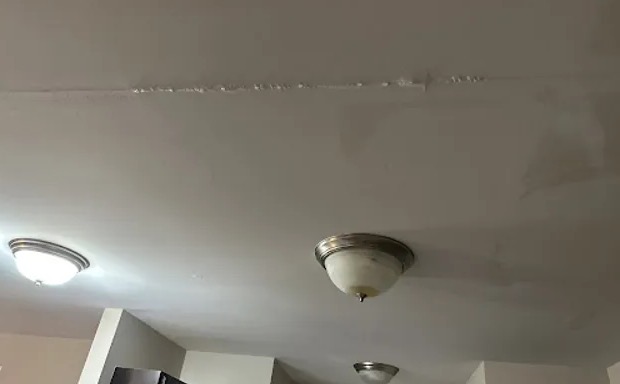
Expert Ceiling Water Extraction in South Bristol, New York
Ceilings under bathrooms and laundry rooms in South Bristol take water from overflows, failed wax rings and supply line leaks. The first sign is usually a stain below the fixture.
Homes and businesses in South Bristol and nearby Middlesex, Naples and Richmond see ceiling leaks from roofs, attic AC units and upstairs plumbing. Help with ceiling water extraction covers draining, extraction, cavity drying and repair.
Complete Ceiling Water Extraction Offerings in South Bristol
Ceiling Leak Water Cleanup
Cleanup after a ceiling leak includes the attic floor or floor cavity above, where water often pools beyond the visible stain.
Ceiling Mold Prevention Services
After drying, framing and drywall edges that were damp for days can be cleaned and treated before the ceiling is closed.
Ceiling Cavity Drying Services
The cavity is checked with readings each day, and equipment is moved until every part of it reads dry.
Wet Ceiling Drywall Removal
Cuts are kept to the wet area shown by moisture readings, which keeps the later patch smaller.
Roof Leak Water Removal
Water from a roof leak often spreads along rafters and pools on the ceiling some distance from the entry point. It is extracted wherever it collected.
When to Call for Ceiling Water Extraction in South Bristol
Crumbling or Soft Drywall
Ceiling drywall that crumbles or feels soft has lost its strength and needs to be removed.
Stains Around Light Fixtures
Stains around light fixtures and vents mean water is following wiring or ductwork down.
Dripping Sounds Behind Walls
Dripping sounds inside walls below a ceiling leak can mean water is running down the wall cavity.
Increased Humidity in the Home
A house that feels more humid after a leak may have wet insulation or drywall in the ceiling.
How Ceiling Water Extraction Works in South Bristol
Step 1: Source Stop and Initial Inspection
The leak is shut off or tarped, and meters map how far the water spread.
Step 2: Water Removal
Water is drained from the ceiling, and wet insulation above it is pulled out and bagged.
Step 3: Targeted Wet Ceiling Drying
Airflow is aimed at the wettest joists and drywall edges until they reach normal readings.
Step 4: Post-Drying Assessment for Repair
The dry ceiling is checked, and the drywall and texture repair is planned.
Common Causes Requiring Ceiling Water Extraction in South Bristol
Overflowing or Leaking Appliances
Washers, dishwashers and water heaters on upper floors can leak into the ceiling below.
Clogged or Damaged Gutters
Clogged gutters overflow at the roof edge and push water into soffits and ceilings.
Natural Flooding Events
Severe flooding can push water into multi-level homes and soak ceilings on lower floors.
Sprinkler System Malfunction
Fire sprinkler pipes and heads in the ceiling can leak or break and soak the drywall.
Residential and Commercial Ceiling Water Extraction in South Bristol
Residential Ceiling Water Extraction
In homes, ceiling water usually comes from a roof leak, an attic AC unit or a bathroom above. The ceiling is drained, the cavity dried and the drywall repaired so the room looks normal again.
Commercial Ceiling Water Extraction
In commercial buildings, water above drop ceilings soaks tiles and spreads through the plenum. Wet tiles are removed and the space above is dried, with work planned around business hours.
Ceiling Water Extraction vs. DIY: When to Call the Pros
Painting over a ceiling stain before the cavity is dry usually means the stain returns within months. Have the ceiling checked with a moisture meter first.
What Influences Ceiling Water Extraction Pricing in South Bristol
Roof or plumbing repair is separate from ceiling extraction and drying. In South Bristol, the leak must be fixed before the ceiling is finished.
Mold Prevention Measures
Antimicrobial treatment of joists and drywall that stayed wet is an added step.
Emergency Service Timing
Night, weekend and storm calls can cost more than a scheduled weekday visit.
Required Drying Time
Ceiling cavities that need several days of drying add equipment time to the total.
Does Insurance Cover Ceiling Water Extraction?
The ceiling repair may be covered even when the roof or pipe repair is not. Ask your adjuster how your policy treats each part.
Reasons to Hire Local Pros for Ceiling Water Extraction in South Bristol
Drying Verification
Final readings confirm the cavity is dry before any patching or painting begins.
Moisture Detection
Meters and thermal cameras show how far water spread above the ceiling, beyond the stain.
Ceiling Leak Cleanup
Fallen drywall, wet insulation and debris are removed from above and below the ceiling.
24/7 Emergency Ceiling Water Extraction in South Bristol
A ceiling full of water can fall without warning. Call (585) 547-5282 for ceiling water extraction in South Bristol at any hour, including storms and holidays.
Call Now (585) 547-5282Ceiling Water Extraction in South Bristol and Other Areas Served
Each place listed below has its own page with local details.
Ceiling Water Extraction Common Questions Answered
What causes a ceiling to need water damage repair?
Roof leaks, plumbing leaks above, attic AC overflows, bathroom leaks and failed skylight or window seals.
Can ceiling water extraction prevent microbial growth?
It lowers the risk. Getting water out and drying the cavity quickly is the main way to keep mold from starting.
What should I do while waiting for ceiling water removal help?
Clear the room, catch drips in a bucket, turn off wet light fixtures and stay out from under any bulge.
What is the goal of emergency ceiling water extraction?
To remove the water before the ceiling falls and before it soaks further into the drywall and joists.
How does ceiling mold prevention work after water extraction?
Fast drying is the main step. Joists and drywall that stayed wet can be treated with an antimicrobial once dry.