Silver Springs, NY · Wyoming County
Sewer Backup Water Removal in Silver Springs, NYBiohazard Sewage Remediation & Sewer Backup Drywall Removal
Sewer Backup Water Removal in Silver Springs includes biohazard sewage remediation, contaminated water removal, and sewer backup drying services.
Answered 24/7
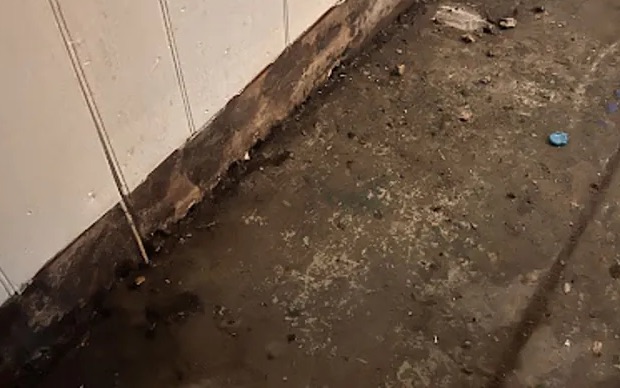
Sewer Backup Water Removal in Silver Springs: Around-the-Clock Help
Biohazard sewage remediation is a non-negotiable step after any sewer backup incident in the village of Silver Springs. Pathogens in sewage water can linger on surfaces long after the water is gone, posing ongoing risks. Local biohazard cleanup pros use hospital-grade disinfectants and follow strict decontamination protocols.
Sewer backups in Silver Springs and nearby Castile, Perry and Warsaw can flood lower floors with black water without warning. Local pros respond 24/7 to extract it before swelling, odor and mold set in.
Complete Sewer Backup Water Removal Solutions for Silver Springs
Biohazard Sewage Remediation
Local water damage restoration pros treat the affected area as a biohazard zone during this critical remediation. They employ professional-grade antimicrobial treatments to sanitize surfaces and air in Silver Springs properties.
Sewer Backup Drywall Removal
Drywall exposed to black water typically requires removal rather than drying. Experts assess the saturation level and contamination, then proceed with controlled demolition and proper disposal, a common step in Silver Springs sewer backup restoration projects.
Sewer Line Backup Cleanup
A main line backup can push large volumes of sewage into lower levels. The pros extract it and sanitize the flooded rooms.
Contaminated Water Removal
Black water is extracted and the area is contained so it does not spread while cleanup is under way in Silver Springs.
Sewer Backup Drying Services
The pros dry the structure fully so mold does not follow. Moisture meters and thermal cameras track progress until materials reach a dry reading.
Signs You Need Sewer Backup Water Removal
Sewage Backup in Basement
Black water rising from floor drains or toilets signals a severe sewer line backup that requires immediate water extraction.
Recent Heavy Rainfall Flooding
Heavy storms can overload city sewers and push water back up through floor drains into homes.
Wet Drywall From Sewage
Walls soaked by contaminated water must be removed to prevent structural rot and dangerous mold growth after sewer backup.
Sewage on Carpet or Flooring
Carpet, pads and furniture that sat in black water hold sewage and germs. They usually need removal, not just cleaning.
How Sewer Backup Water Removal Works in Silver Springs
Step 1: Black Water Removal and Pump-Out
The process starts with the urgent removal of hazardous black water using powerful extraction equipment to eliminate the immediate health threat.
Step 2: Demolition of Contaminated Materials
Sewage-damaged building materials are safely removed and bagged for proper disposal as part of the contaminated water cleanup protocol.
Step 3: Comprehensive Drying Process
A targeted drying regimen using air movers and dehumidifiers addresses residual moisture, a key component of sewer backup drying services.
Step 4: Antimicrobial Treatment Application
Professionals apply EPA-registered antimicrobial agents to all affected areas, completing the biohazard sewage remediation and restoration.
Reasons Sewer Backup Water Removal Is Needed in Silver Springs
Municipal System Overloads
Heavy rain or system failures can overwhelm public sewers and push sewage back into homes.
Main Sewer Line Blockages
Tree roots, grease or flushed objects block the main line and force sewage back into the home through the lowest drains.
Improperly Installed Plumbing
Pipes laid with the wrong slope or poor connections let waste settle and cause repeat backups.
Sump Pump Failure or Overflow
When a pump fails during a storm, a basement can flood with contaminated water, demanding immediate extraction and drying.
Sewer Backup Water Removal for All Property Types in Silver Springs
Residential Sewer Backup Water Removal
A sewer backup can ruin family rooms and leave a smell. Drying wall cavities and subfloors fully keeps mold from growing inside the structure.
Commercial Sewer Backup Water Removal
Commercial backups can be large. Truck-mounted pumps handle big volumes, and restrooms and common areas are cleaned and disinfected before reopening.
Sewer Backup Water Removal vs. DIY: When to Call Water Damage Restoration Pros
After ensuring personal safety, you can make a list of damaged belongings for your own records. Avoid using chemical drain cleaners on a suspected backup, as they can worsen pipe damage.
Understanding Sewer Backup Water Removal Costs in Silver Springs
Estimating the cost of contaminated water cleanup in Silver Springs involves assessing porous materials that must be discarded, the structural drying needed, and post-cleanup verification testing.
Structural Drying Time
The duration needed for professional drying to prevent mold depends on materials and humidity, affecting equipment rental and monitoring expenses.
Required Sanitization
Disinfecting every surface the sewage touched is a required part of the job and adds to the cost.
Water Category
Category 3 black water from a sewer backup demands stringent safety protocols and specialized cleaning, influencing the overall project cost significantly.
Does Insurance Cover Sewer Backup Water Removal?
Whether insurance covers sewer backup water removal depends entirely on your specific policy and the cause of the backup. The pros document the damage with photos and moisture readings for your claim.
Benefits of Local Water Damage Restoration Pros for Sewer Backup Water Removal
Advanced Extraction Equipment
Powerful truck-mounted or portable extractors are used to remove large volumes of sewer water quickly from floors and carpets.
Odor Neutralization Techniques
Specialized deodorization methods address persistent sewage odors, working to restore a fresher indoor environment post-cleanup.
IICRC-Standard Methods
Cleaning and drying follow set steps for sewage, so nothing contaminated is left behind.
Emergency Sewer Backup Water Removal Response for Silver Springs
Sewage flooding can spread quickly and poses serious contamination risks. If you have a sewer line backup, contact the experts for help by calling (585) 547-5282.
Call Now (585) 547-5282Local Sewer Backup Water Removal Coverage: Silver Springs and Beyond
Sewer backups bring Category 3 water into a home. Cleanup is available in Silver Springs and the broader region around Castile, Perry and Warsaw.
- Sewer Backup Water Removal in Castile
- Sewer Backup Water Removal in Perry
- Sewer Backup Water Removal in Warsaw
- Sewer Backup Water Removal in Nunda
- Sewer Backup Water Removal in Mount Morris
- Sewer Backup Water Removal in Attica
- Sewer Backup Water Removal in Pavilion
- Sewer Backup Water Removal in Geneseo
- Emergency Damage Restoration in 14550
- Storm Damage Restoration in 14550
- Water Damage Restoration in 14550
- Water Extraction Service in 14550
- Water Leak Detection in 14550
- Water Removal Service in 14550
FAQ: Sewer Backup Water Removal and Cleanup
Can carpet be saved after a sewer backup?
Carpet saturated with sewer water is often unsalvageable due to deep contamination and must be removed and disposed of as part of the biohazard remediation process.
Why choose a specialized water extraction service for a sewer backup?
A specialized water extraction service for a sewer backup has the training, equipment, and protocols to safely handle the biohazards present in Category 3 water.
Is sanitization after sewer backup always required?
Sanitization after sewer backup is always required to kill pathogens and prevent mold, using EPA-registered disinfectants on all affected hard surfaces.
How quickly should sewage backup cleanup begin?
Sewage backup cleanup should begin immediately due to rapid contamination spread and health risks, which is why 24/7 emergency response is standard for this service.
Are personal belongings salvageable after a sewer backup?
Personal belongings contaminated with sewer water are rarely salvageable, especially porous items, which should be discarded to avoid ongoing health risks.