Silver Springs, NY · Wyoming County
Temperature-Controlled Drying in Silver Springs, NYClimate-Controlled Drying Systems & Humidity Control For Restoration
For Temperature-Controlled Drying in Silver Springs, local temperature-controlled drying specialists handle thermal drying for water damage, humidity control for restoration, and drying equipment deployment to prevent mold.
Answered 24/7
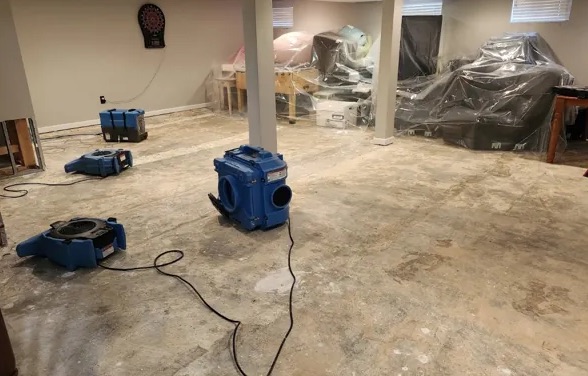
Targeted Temperature-Controlled Drying for Properties in Silver Springs
In Silver Springs, structural drying aims to bring materials back to their normal moisture level. Low humidity in the drying area helps pull moisture out of dense materials.
In Silver Springs and nearby Castile, Perry and Warsaw, local pros map moisture in walls and subfloors, then fit thermal drying and humidity control to the materials in the building.
Temperature-Controlled Drying Methods Available in Silver Springs
Climate-Controlled Drying Systems
For complex jobs, local temperature-controlled drying specialists use industrial equipment to keep humid air from re-wetting materials, so walls dry all the way through.
Humidity Control for Restoration
The specialists keep humidity low in properties in the village of Silver Springs, so water evaporates from materials instead of soaking back in.
Thermal Drying for Water Damage
Controlled heat speeds up drying of wet materials in Silver Springs, which helps prevent swelling wood and failed flooring adhesive.
Water Damage Drying Logs
The specialists in Silver Springs maintain drying logs as an official record. This data tracks moisture reduction over time and informs any needed adjustments to the drying strategy.
Rapid Structural Drying Services
Fast structural drying uses high-velocity air movers, industrial dehumidifiers and sometimes heat, so families in Silver Springs can return home sooner and mold does not start.
Signs You Need Professional Temperature-Controlled Drying in Silver Springs
Soft Drywall or Sagging Ceiling
Drywall feels spongy to the touch or a ceiling sags downward. This softness means the material is saturated and structurally compromised.
Damp Odors Persisting After Water
A musty smell lingers even after visible water is gone, indicating hidden moisture. That odor often signals mold or trapped dampness.
Cold, Damp Feeling in a Room
A room feels noticeably colder and damper than the rest of the house. This sensation is often due to evaporative cooling from wet materials.
High Humidity Readings Inside
A hygrometer showing unusually high indoor humidity after water damage means the building is still wet.
How Temperature-Controlled Drying Works in Silver Springs
Step 1: Site Evaluation and Equipment Planning
The pros evaluate the site to determine the type and quantity of drying tools needed.
Step 2: Drying Equipment Setup
Industrial air movers and dehumidifiers are set up in the affected zones right away.
Step 3: Controlled Humidity Management
Dehumidifiers pull moist air out of the room, which keeps the air dry enough for materials to keep drying.
Step 4: Progress Tracking With Drying Logs
Temperature, humidity and moisture readings are recorded each day in a drying log.
Causes of Persistent Dampness Requiring Controlled Drying in Silver Springs
Foundation Cracks and Seepage
Hydrostatic pressure forces groundwater through cracks in the foundation wall. This seepage creates a constant dampness that challenges standard drying technology.
HVAC System Condensation Issues
A clogged condensate drain line causes an overflow inside the air handler. This water can soak insulation and ductwork, creating a hidden moisture issue.
Storm-Driven Water Intrusion
Heavy rain overflows gutters or gets in around windows and soaks framing and insulation.
Sprinkler System Activation
A fire sprinkler discharges, releasing a large volume of water quickly. This event saturates entire areas and requires precise air mover placement and strategy.
Temperature-Controlled Drying for Homes and Businesses in Silver Springs
Residential Temperature-Controlled Drying
At home, the pros dry wall cavities, subfloors and belongings with air movers and dehumidifiers, and keep drying logs for your insurance review.
Commercial Temperature-Controlled Drying
For businesses, rapid drying minimizes downtime and protects inventory, equipment, and building integrity. Large-scale drying systems are implemented to address moisture in offices, retail spaces, and warehouses.
Professional Temperature-Controlled Drying vs. Do-It-Yourself in Silver Springs
A home's HVAC on 'fan only' mode can circulate air, but it is not a substitute for professional drying. A wet-dry vacuum can remove standing water from a very localized incident.
What Affects Temperature-Controlled Drying Cost in Silver Springs
In Silver Springs, the cost depends on how much drying equipment is used and how long it runs, plus the moisture readings taken along the way.
Drying Time Required
Longer drying periods for climate-controlled systems mean more equipment runtime and monitoring, impacting the overall cost of the restoration project.
Humidity Control Measures
Controlling humidity in tight spaces often takes specialized drying equipment and frequent adjustments.
Extent of Water Damage
The larger the area that needs drying, the more equipment and labor the job takes.
Does Insurance Cover Temperature-Controlled Drying?
Humidity control for restoration following a water incident might be considered under the drying portion of a claim. The pros in Silver Springs provide precise documentation of the controlled drying systems used and the results achieved.
Selecting Local Specialists for Temperature-Controlled Drying in Silver Springs
Strategic Equipment Deployment
Air movers and dehumidifiers are placed according to a plan for even airflow and low humidity.
IICRC-Standard Drying Methods
Drying follows industry guidelines and is checked with meters, which keeps framing and floors from staying wet.
Advanced Moisture Mapping
Moisture meters and thermal cameras find hidden wet pockets so every affected material is dried.
24/7 Emergency Temperature-Controlled Drying in Silver Springs
For thermal drying and moisture mapping in Silver Springs, call (585) 547-5282 for help from the pros, day or night, and ask how they will track moisture until the materials are dry.
Call Now (585) 547-5282Temperature-Controlled Drying Serving Silver Springs and Nearby Areas
Local pros dry structures and control humidity in Silver Springs and communities such as Castile, Perry and Warsaw.
- Temperature-Controlled Drying in Castile
- Temperature-Controlled Drying in Perry
- Temperature-Controlled Drying in Warsaw
- Temperature-Controlled Drying in Nunda
- Temperature-Controlled Drying in Mount Morris
- Temperature-Controlled Drying in Attica
- Temperature-Controlled Drying in Pavilion
- Temperature-Controlled Drying in Geneseo
- Emergency Damage Restoration in 14550
- Storm Damage Restoration in 14550
- Water Damage Restoration in 14550
- Water Extraction Service in 14550
- Water Leak Detection in 14550
- Water Removal Service in 14550
Your Temperature-Controlled Drying Questions Addressed
What are the benefits of rapid structural drying services?
Rapid structural drying minimizes the time materials are wet, reducing the risk of swelling, warping, and secondary damage like mold, which helps preserve property value.
How does thermal drying for water damage work?
Thermal drying applies carefully managed heat to increase the evaporation rate of moisture trapped within materials, accelerating the drying process while monitored to prevent damage.
What is temperature-controlled drying?
It is a drying method that controls heat and humidity together to remove moisture from building materials and contents safely and quickly.
When is climate-controlled drying necessary versus regular drying?
Climate-controlled drying is necessary for severe losses, sensitive materials, or when precise environmental control is needed to prevent damage, unlike simple air drying for minor spills.
Can temperature-controlled drying prevent mold growth?
By rapidly removing moisture and controlling humidity, the process creates an environment where mold cannot thrive, significantly reducing the potential for mold.