South Bristol, NY · Ontario County
Broken Pipe Water Removal in South Bristol, NYBroken Pipe Water Extraction & Pipe Leak Moisture Inspection
Broken Pipe Water Removal in South Bristol runs from broken pipe water extraction and wet drywall removal to flooded room drying.
Answered 24/7
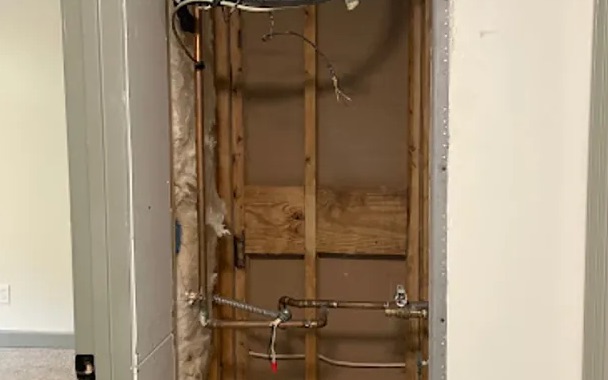
Local Broken Pipe Water Removal for South Bristol Properties
Broken Pipe Water Removal in South Bristol ends with dry readings, not just dry-looking surfaces. Patching a wall or laying new floor over damp framing leads to odors, stains and repeat repairs.
Homeowners in South Bristol can call (585) 547-5282 day or night when a pipe breaks. Service also covers Middlesex, Naples and Richmond, with the same extraction and drying steps.
Broken Pipe Water Removal Services in South Bristol
Broken Pipe Water Extraction
A broken supply pipe keeps pushing water until it is shut off. Extraction starts right after, beginning where the water is deepest.
Pipe Leak Moisture Inspection
Readings are recorded at the start and at each visit, giving you and your insurer a clear record of the drying.
Burst Pipe Mold Prevention
The longer materials stay wet after a pipe breaks, the higher the risk of mold. Starting drying early keeps that risk low.
Water Damaged Floor Removal
A few rows of flooring are often lifted first to see how far water traveled underneath before deciding what else must come out.
Wet Drywall Removal
Removing the lower section of wet drywall is often faster and cheaper than trying to dry it for weeks inside a closed wall.
Indicators of Water Damage Requiring Broken Pipe Water Removal
Soggy or Damp Insulation
Insulation that feels wet or heavy in walls, ceilings or crawl spaces points to a leaking pipe nearby.
Unexplained Pooling Water on Floors
Water collecting on a floor with no spill or overflow nearby usually means a pipe is leaking close by.
Sudden Drop in Water Pressure
A sudden drop in water pressure at one or more fixtures can mean a pipe has broken somewhere.
Damp or Bulging Drywall
Drywall that feels damp, looks stained or bulges outward often has a leaking pipe behind it.
How Broken Pipe Water Removal Works in South Bristol
Step 1: Initial Pipe Leak Assessment
The pros find the broken pipe, check the type of water and map how far it spread.
Step 2: Water Extraction Service
Water is removed from floors, carpet and cabinet bases, and wet belongings are moved.
Step 3: Targeted Wet Drywall Removal
Drywall that soaked up water is cut back above the wet line so the cavity can dry.
Step 4: Documentation for Your Insurance
Photos, readings and a list of removed materials are prepared for your claim.
What Leads to Broken Pipe Water Removal Needs in South Bristol
Corroded or Aged Plumbing
Old galvanized or copper pipes corrode from the inside and eventually crack or develop pinholes.
Tree Root Intrusion Into Lines
Tree roots grow into drain and sewer lines, cracking them and causing leaks and backups.
Physical Impact or Accidental Damage
Nails, screws, drilling or heavy impacts during repairs can puncture pipes inside walls.
High Water Pressure Spikes
High water pressure, or sudden pressure spikes, strain pipes and joints until they fail.
Home and Business Broken Pipe Water Removal Solutions
Residential Broken Pipe Water Removal
Families should stay out of rooms with sagging ceilings or wet outlets until they are checked. Drying can usually happen while people stay in the rest of the house.
Commercial Broken Pipe Water Removal
In medical, food-service and data spaces, broken pipe water is extracted quickly to protect equipment and meet the cleanliness rules for those areas.
When to Handle Pipe Leaks Yourself vs. Call the Pros
Fixing the pipe is a plumbing job, and drying the house is a water damage job. Both are needed, and drying should start before the walls are closed up.
Factors Influencing Broken Pipe Water Removal Cost
Drying in place costs less than replacing materials. In South Bristol, fast extraction after a broken pipe makes drying in place more likely.
Affected Building Materials
Drywall, flooring, cabinets and insulation each take different work to dry or replace.
Demolition and Removal Needs
Cutting out drywall, flooring or cabinet panels to reach wet areas adds labor and disposal.
Required Drying Equipment
The number of air movers and dehumidifiers, and how many days they run, drives much of the cost.
Does Insurance Cover Broken Pipe Water Removal?
Photograph the broken pipe, the water and damaged belongings before cleanup, and keep receipts for emergency extraction and drying equipment.
Benefits of Hiring Local Pros for Broken Pipe Water Removal in South Bristol
Proactive Mold Prevention
Starting drying soon after extraction is the main way to prevent mold after a broken pipe.
Industry Drying Standards
Drying follows industry water damage standards, with readings taken at every visit.
Focus on Complete Drying
Equipment stays until readings show the structure is dry, not just until surfaces look dry.
24/7 Broken Pipe Water Removal When You Need It
Night, weekend or holiday, local water extraction experts handle broken pipes in South Bristol. Call (585) 547-5282 to get the water out and drying set up.
Call Now (585) 547-5282Locations Served for Broken Pipe Water Removal
The places below are also served, and each one has its own page.
Broken Pipe Water Removal Information and Answers
How fast should water extraction begin after a pipe bursts?
Right away. Clean water extracted within hours can often be dried in place, while water left for days ruins more materials.
Are belongings handled during broken pipe water cleanup?
Yes. Wet furniture and belongings are moved out of the water, blocked up off wet floors and set aside for drying.
How is drying monitored after a broken pipe?
Moisture readings are taken daily on walls, floors and framing, and equipment is adjusted until they reach normal levels.
Why is a moisture inspection needed after water extraction?
Extraction removes surface water, but walls, subfloors and cabinets stay wet inside. Readings show what still needs drying.
How does broken pipe water damage affect a home's structure?
Water soaks drywall, subfloor and framing. Left wet, those materials swell, weaken and can rot over time.