South Bristol, NY · Ontario County
Commercial Water Removal in South Bristol, NYOffice Water Damage Cleanup & Industrial Facility Drying Services
Commercial Water Removal in South Bristol covers office water damage cleanup, warehouse flood water extraction and commercial carpet water extraction.
Answered 24/7
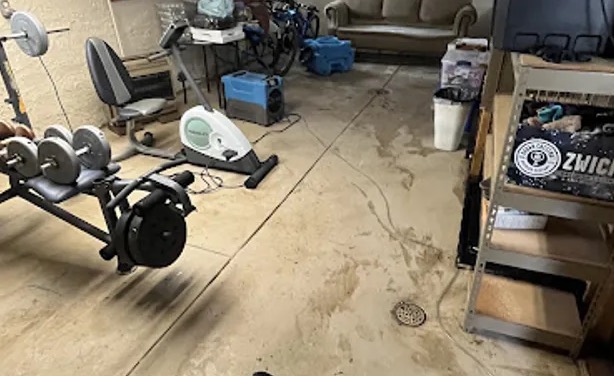
Commercial Water Removal for South Bristol Commercial Properties
Commercial Water Removal in South Bristol covers many kinds of property: office towers, schools, restaurants, retail centers, warehouses and apartment complexes. The steps are the same, but the planning differs.
In South Bristol, commercial water removal calls often follow roof leaks, burst risers and sprinkler problems. Local water damage restoration experts serve South Bristol, Middlesex, Naples and Richmond, with work planned to limit downtime.
Commercial Water Removal Services in South Bristol
Office Water Damage Cleanup
Office water removal can run in the evening so staff return to a workspace that is already drying.
Industrial Facility Drying Services
Equipment that stood in water is noted for the owner's service provider to check before it is restarted.
Retail Store Water Removal
Display fixtures and shelving are moved so water trapped underneath can be reached and dried.
Commercial Carpet Water Extraction
Glue-down carpet is dried in place with directed airflow when extraction was fast and the water was clean.
Apartment Complex Flood Cleanup
A flood in an apartment complex can affect many units, hallways and common areas. Each area is extracted and dried in order of severity.
Signs Your South Bristol Business Needs Water Removal
Discolored or Peeling Paint
Paint that peels or discolors on walls and ceilings usually has moisture behind it.
Soggy Carpet Spots
Spots of soggy carpet or carpet tiles mean water is trapped against the slab underneath.
Malfunctioning Electrical Systems
Lights, outlets or equipment that fail near a leak may have water in them. Keep power off and stay clear.
Rusted Metal Fixtures
Rust on metal door frames, shelving or fixtures near the floor points to repeated moisture.
How Commercial Water Removal Works in South Bristol
Step 1: Site Assessment
Safety is checked, the source is stopped and the wet zones are mapped across the building.
Step 2: Bulk Water Removal
Pumps and high-capacity extractors remove standing water from slabs, carpet tiles and stockrooms.
Step 3: Structural Drying Process
Large dehumidifiers and air movers dry walls, slabs and ceiling cavities, with readings daily.
Step 4: Final Verification Testing
Readings across every zone confirm the space is dry before equipment is removed and areas reopen.
Frequent Sources of Flooding in South Bristol Commercial Properties
Roof Leaks During Storms
Flat roofs and roof drains leak during storms, sending water through ceilings and onto floors.
Window and Door Seal Failure
Worn seals on storefront glass, windows and doors let rain into lobbies and sales floors.
Parking Garage Drainage Issues
Parking garage drains that clog can send water into elevator pits and nearby lower floors.
Fire Suppression System Testing
Fire suppression system testing or repairs can release water if valves or lines fail.
Tailored Commercial Water Removal for South Bristol Commercial Clients
Residential Water Removal
In a house, the main concerns are the family's safety, their belongings and getting rooms usable again while the home dries.
Commercial Water Removal
In schools, restaurants and medical buildings, health rules and schedules shape the work, and some areas must be cleaned and checked before they reopen.
The Limits of DIY for Commercial Water Removal in South Bristol
Staff can shut off water at the nearest valve, move stock and electronics off the floor and keep people away from wet areas. Call local water damage restoration experts for anything larger than a small spill.
Commercial Water Removal Cost in South Bristol, NY
After-hours work, contaminated water, multi-story damage and contents handling all add to the total for commercial water removal in South Bristol.
Drying Time Required
Slabs and dense materials can take several days to dry, and equipment time adds up.
Material Type
Carpet tiles, drywall, ceiling tiles and wood each need different removal or drying methods.
Content Handling
Moving, protecting and listing stock, furniture and records adds labor to the job.
Does Insurance Cover Commercial Water Removal?
Photograph damaged stock, equipment, furniture and building areas before cleanup starts, and keep receipts for emergency water removal and after-hours work.
Advantages of Hiring Local Pros for Commercial Water Removal in South Bristol
Contamination Control
Dirty water areas are sealed off and cleaned so contamination does not spread through the building.
Structural Drying Focus
Walls, slabs and ceiling cavities are dried, not just the surfaces people walk on and see.
Detailed Documentation
Photos, readings and contents lists are kept to support property and business interruption claims.
24/7 Emergency Commercial Water Removal in South Bristol
The faster water is removed, the sooner your building reopens. Call (585) 547-5282 for commercial water removal in South Bristol as soon as you find the water.
Call Now (585) 547-5282Commercial Water Removal in South Bristol and Other Areas Served
Each place listed below has its own page with local details.
Commercial Water Removal FAQ for South Bristol, NY
What records are provided for insurance after commercial water extraction?
Photos, moisture readings, lists of removed materials and contents, and daily drying logs for each area.
What is the difference between extraction and drying in commercial property drying?
Extraction removes liquid water quickly. Drying removes the moisture left in walls, slabs and ceilings over several days.
What should I do while waiting for commercial water removal?
Shut off the source, move stock and electronics, keep people away from wet electrical areas and take photos.
What happens to wet drywall during office water damage cleanup?
Drywall that wicked water is cut back above the wet line so the wall cavity can dry, then replaced later.
What is the first step in commercial water removal?
Making the area safe and stopping the source, then protecting stock, records and equipment before extraction begins.