South Bristol, NY · Ontario County
Industrial Dehumidification in South Bristol, NYMold Remediation Services & Warehouse Moisture Control
Get Industrial Dehumidification in South Bristol for industrial flood damage restoration, warehouse moisture control, and mold remediation services.
Answered 24/7
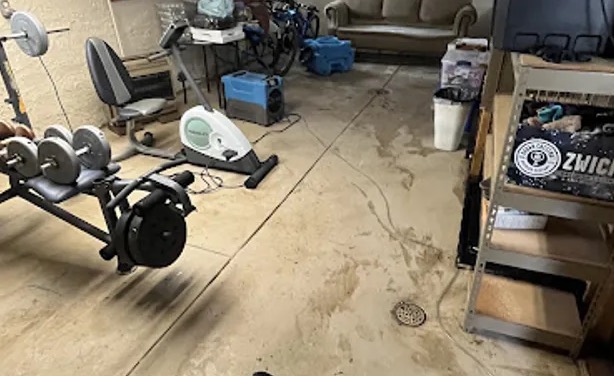
Professional Industrial Dehumidification in South Bristol, NY
Mold is a frequent consequence of untreated moisture in warehouses, manufacturing facilities, and other large commercial spaces. It poses health risks to occupants and can damage stored products, inventory, and essential building systems over time.
When flooding hits an industrial building in South Bristol, drying needs to start quickly. Local commercial drying experts also work in nearby Middlesex, Naples and Richmond and keep records of the water removal and drying.
Industrial Flood Damage Restoration in South Bristol
Mold Remediation Services
Mold in a commercial building indicates a deeper moisture issue. The pros use industrial dehumidifiers to create a dry environment that inhibits mold.
Warehouse Moisture Control
High warehouse humidity leads to condensation and product damage. The pros deploy industrial dehumidifiers to pull excess moisture from the air.
Disaster Recovery Drying
After a large flood or leak, whole floors or wings of a building may need drying at once. High-capacity dehumidifiers and air movers make that possible.
Industrial Flood Damage Restoration
Flood waters can halt production. Commercial drying experts implement a phased strategy using industrial dehumidifiers and air movers. Large dehumidifiers are sized to the building volume.
Structural Drying Services
Drying the structure after a leak means getting studs, joists and slabs dry, not just the air in the room.
When to Call for Industrial Dehumidification in South Bristol
Soggy Inventory or Stock
Wet cardboard, damaged goods or damp raw materials mean humidity in the building is not under control.
Equipment Rust or Corrosion
New rust on machinery or metal stock can come from damp air in the building.
Elevated Humidity Levels
Sticky air and condensation on windows or metal surfaces mean humidity in the building is too high.
Stained Ceilings or Walls
Yellow or brown water stains show where past leaks happened and where moisture may still be.
How Industrial Dehumidification Works in South Bristol
Step 1: Secure Area and Remove Water
The site is made safe, then water is removed with industrial equipment.
Step 2: Install Commercial Dehumidification
Large commercial dehumidifiers bring the humidity down so the drying can start.
Step 3: Accelerated Evaporation and Drying
Air movers speed up evaporation, and the dehumidifiers collect the water from the air.
Step 4: Achieve Dry Standard and Demobilize
After confirming all materials meet the dry standard, pros dismantle the drying system.
Common Causes for Industrial Dehumidification in South Bristol
Roof Leaks and Storm Damage
Damaged roofing lets water in during heavy rain, wetting stock and floors below.
Appliance Malfunctions and Overflows
Water heater failures or broken process lines can flood large areas suddenly.
Burst Pipes or Plumbing Leaks
Failed supply lines, faulty fittings, or cracked pipes can release thousands of gallons.
Groundwater Intrusion and Saturation
Poor drainage around the building can let water seep up through the floor.
Professional Industrial Dehumidification for Any Property in South Bristol
Residential Industrial Dehumidification
In homes, water from a burst pipe spreads inside walls and under floors. The experts find the wet areas with meters and dry them to save the structure and finishes.
Commercial Industrial Dehumidification
Manufacturing plants and warehouses need large-scale drying after a major water incident. Drying brings the space back to the humidity levels production requires.
DIY Moisture Control vs. Professional Industrial Dehumidification in South Bristol
Wiping condensation off pipes, windows and cold surfaces gives short-term relief. Bringing down humidity in a whole commercial building takes moisture readings and large dehumidifiers.
What Influences Industrial Dehumidification Expense in South Bristol
Industrial flood cleanup costs depend on the scale of water removal and how many hours of structural drying are needed.
Emergency Service Timing
After-hours or 24/7 calls may be billed at a different rate than a scheduled visit.
Access Complexity
Hard-to-reach areas in a warehouse or plant take longer to set up equipment in.
Structural Material Type
Concrete, wood and steel dry differently, which changes the approach and the time.
Does Insurance Cover Industrial Dehumidification?
Coverage for industrial flood damage restoration can vary significantly between different insurance policies and providers. Property owners in South Bristol should confirm specifics directly with their insurer. Pros record everything from the first moisture readings to the final dry readings for the claim file.
Advantages of Hiring Local Pros for Industrial Dehumidification in South Bristol
Clear Process Communication
You get regular updates on drying progress and how long the job should take.
24/7 Emergency Response
Fast water extraction limits how far damage spreads in a large building.
Humidity Reduction Systems
Dehumidifiers can stay in place until humidity in the building is stable.
24/7 Emergency Industrial Dehumidification in South Bristol
Removing water early prevents more damage to the structure and lowers the mold risk. Call (585) 547-5282 any time, day or night, for help in South Bristol.
Call Now (585) 547-5282Local Industrial Dehumidification Areas: South Bristol and Beyond
The places below are also served, and each one has its own page.
- Industrial Dehumidification in Middlesex
- Industrial Dehumidification in Naples
- Industrial Dehumidification in Richmond
- Industrial Dehumidification in Bristol
- Industrial Dehumidification in Bloomfield
- Industrial Dehumidification in Batavia
- Industrial Dehumidification in Phelps
- Industrial Dehumidification in Albion
Frequently Asked Questions About Industrial Dehumidification
Can humidity control prevent future mold problems?
Keeping warehouse humidity low with dehumidifiers protects stored goods and the building from moisture damage.
How is drying progress monitored?
The experts take moisture readings from materials and the air each day and keep drying logs that show progress.
What are humidity reduction systems?
Dehumidifiers that stay in place to hold humidity at a set level in sensitive spaces like data centers, archives or plants after water damage.
What areas need drying after a warehouse flood?
All wet areas: floors, walls, stored contents and often the subfloor and insulation as well.
What is structural drying?
It removes moisture soaked into building materials like concrete slabs and walls so they do not decay or grow mold.